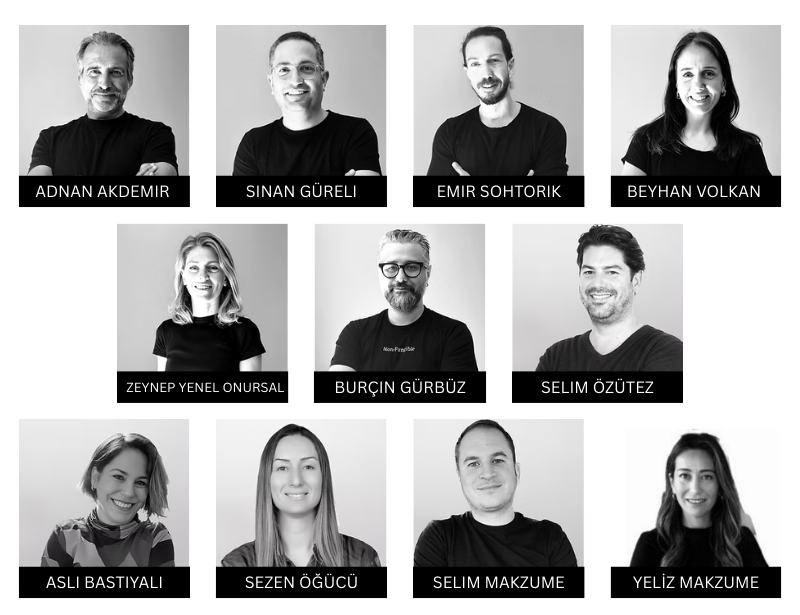
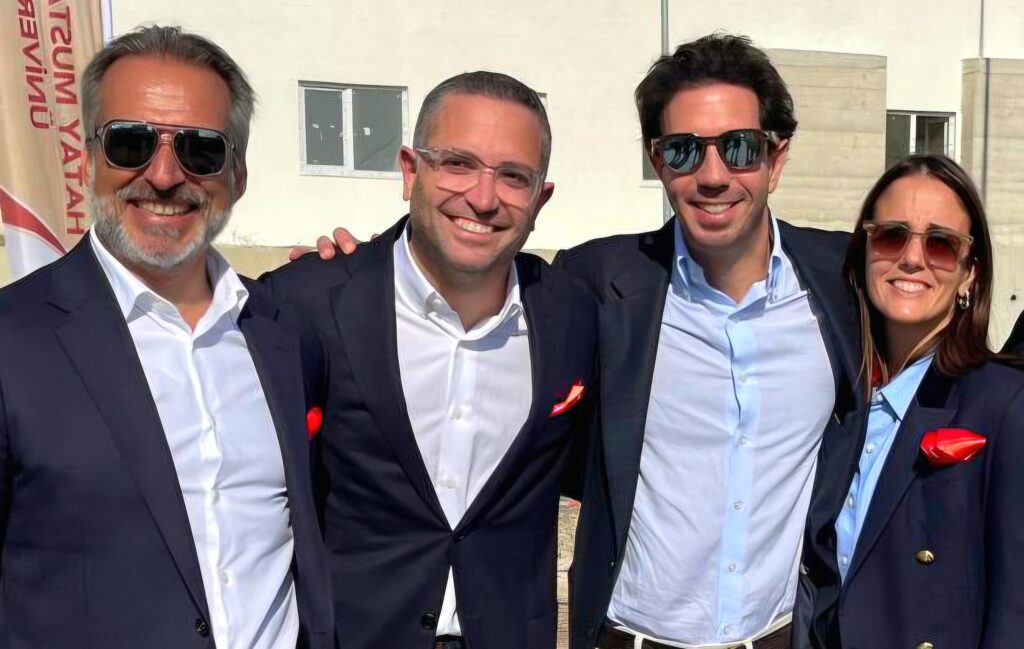
Adnan Akdemir, Sinan Gureli, Emir Sohtorik and Beyhan Volkan, are the winners of our 2026 YPO Global Impact Award. The award focuses on YPO members making impact outside the organization that is both sustainable and scalable, affecting people, prosperity, peace or our planet.
Fear is contagious. But so is hope. – Sinan Gureli
For centuries, Antakya, in the Hatay Province of Türkiye, has been a place of connection: The place where ancient Antioch once stood, where trade routes, culture and community all converged at the edge of the Mediterranean world.
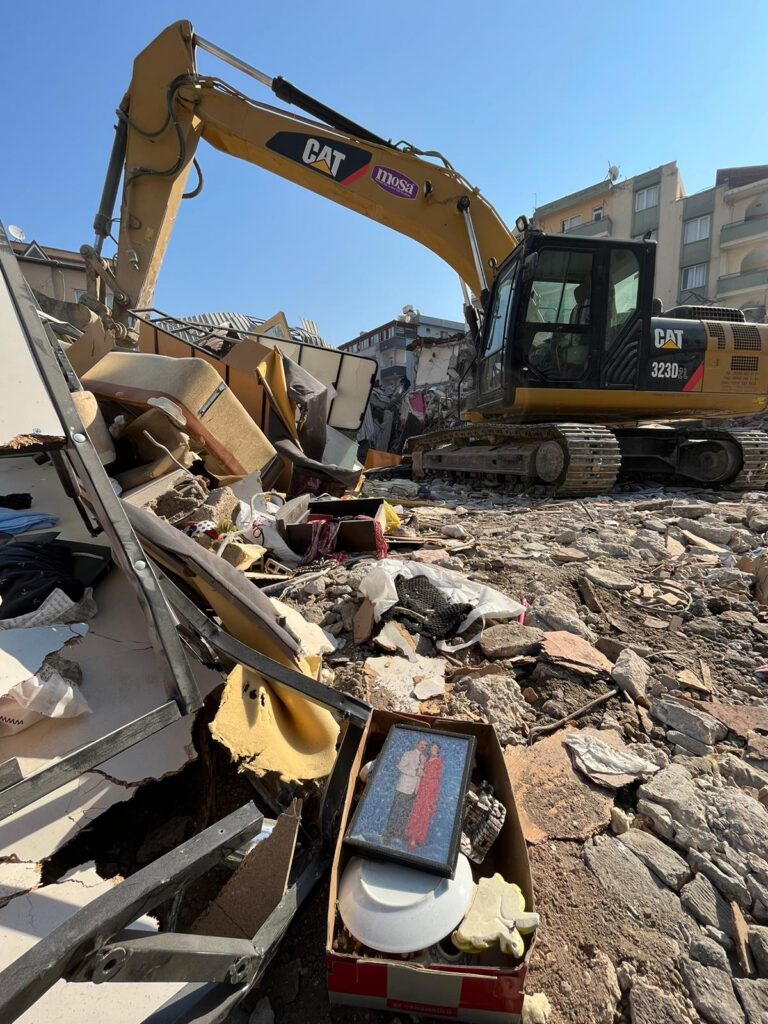
On 6 February 2023, three major earthquakes struck the storied land, rippling across 350,000 square kilometers of Türkiye and Syria — roughly the size of Germany — and leaving devastation in its wake.
It was one of the worst natural disasters in modern history: 60,000 lives lost. 130,000 people injured. 1.5 million people homeless. 165,000 buildings destroyed and more than 15 million people affected in total.
In the face of widespread destruction and despair, YPO members Adnan Akdemir, Sinan Gureli, Emir Sohtorik and Beyhan Volkan quickly focused their attention and resources on something more powerful: hope.
And in their pursuit of hope, displays of servant leadership and commitment to rebuilding a community for future generations, YPO proudly recognizes the founders of Blocks for Hope’s 100th Year Village as the 2026 YPO Global Impact winners.
I need to do something. – Sinan Gureli
Gureli was on holiday with his family in France when he heard the news of the earthquakes. Coverage was limited in the first hours, but what he did see was enough.
“I was pacing around the house; I just felt helpless,” says Gureli. “I kept saying ‘I need to do something.’”
Akdemir similarly was in shock, glued to online coverage of the aftermath from his home in Istanbul.
Though neither had personal ties to Hatay, a brief phone call — “What are we going to do?” — quickly turned into action. Within 24 hours, through a connection with the Turkish military, they secured seats on a rescue flight.
Akdemir, a third-generation entertainment CEO, says the destruction was like an unbelievable movie set.
“Half the city was underwater; the other half was on fire,” he remembers. “People were still stuck in buildings, and we didn’t even know where to park our car where a building wouldn’t crash on it.”
Searching for direction, they sought out police officers, firefighters and municipal authorities, only to encounter the sobering reality that many first responders had perished.
“There was no authority left,” says Sohtorik, Chair of Fides Turzm ve Denizcilik. “We realized quickly that there was an enormous amount of goodwill, but very little structure and organization.”
Aid was already arriving, but systems were overwhelmed with supplies being damaged, misdirected and looted.
They were able to connect to a government official, who urged them to play to their strengths, “You’re businessmen,” he said. “Help us create a logistics center.”
The pair established the first emergency task center in a tent just outside the city, rallying officials and volunteers to organize the influx of aid. For seven days and eight nights they sacrificed showers and basic comforts as they stabilized distribution systems.
There would be many more trips between Istanbul and Hatay, with Volkan and Sohtorik joining the response.
For Akdemir, one encounter proved defining. A young university student stepped in as their guide, helping the team reach villages that hadn’t yet received aid.
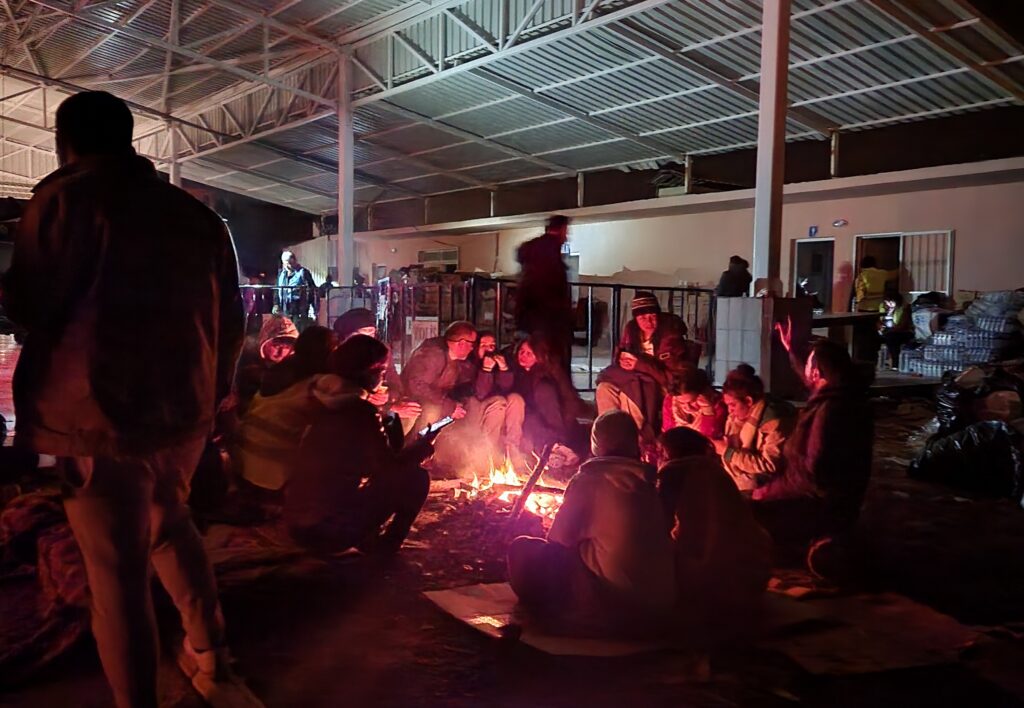
When they asked to thank her parents, she led them into a snow-covered forest, where her family sat beside a campfire. Their home had been destroyed and food was scarce. When Sohtorik offered them a shipping container for shelter, her father refused.
“We’re fine. We survived,” he told them, asking instead that it be given to a Syrian mother nearby with five young children. The group secured container housing for both families.
Amid devastation, humanity spoke louder.
Without a home, nothing else can start. – Beyhan Volkan
In the weeks following their initial response, even as emergency aid continued to flow and temporary shelters expanded, a more permanent challenge came into focus.
“It’s human nature to want to help,” Sohtorik says. “But without structure, even good intentions can become harmful.”
Gureli and Akdemir convened a call across YPO’s three Türkiye chapters, gathering members to share firsthand accounts of the devastation and explore how they all could contribute.
Dozens joined the discussion, offering resources and expertise. Among the many ideas, one thing stood out as essential: housing. “Afterwards, everything follows: jobs, education, normalcy,” says Volkan, Managing Partner at Banat Firca ve Plastik. “But first, they need a home.”
From those early conversations, a small group formed not around titles or hierarchy, but shared commitment: To deliver housing that was functional, safe and sustainable, while restoring stability and dignity. Blocks of Hope was born.
With architect Burcin Gürbüz, originally from Hatay, the board of Blocks for Hope developed the 100th Year Village, a community designed to support university and hospital personnel who chose to remain after the disaster.
“They could have left,” Sohtorik says. “These doctors and professors had other options. But they chose to stay, living with their families in these 200-square-foot containers that in the heat, become ovens, in the cold, freezers.”
Volkan adds that it sent a powerful message across the region that these people who had truly lost everything — their homes, loved ones, their past and sense of security — weren’t going to be forgotten.
“What we tried to do with this project was not just build houses,” says Sohtorik. “It was to create hope; hope to start over, move forward.”
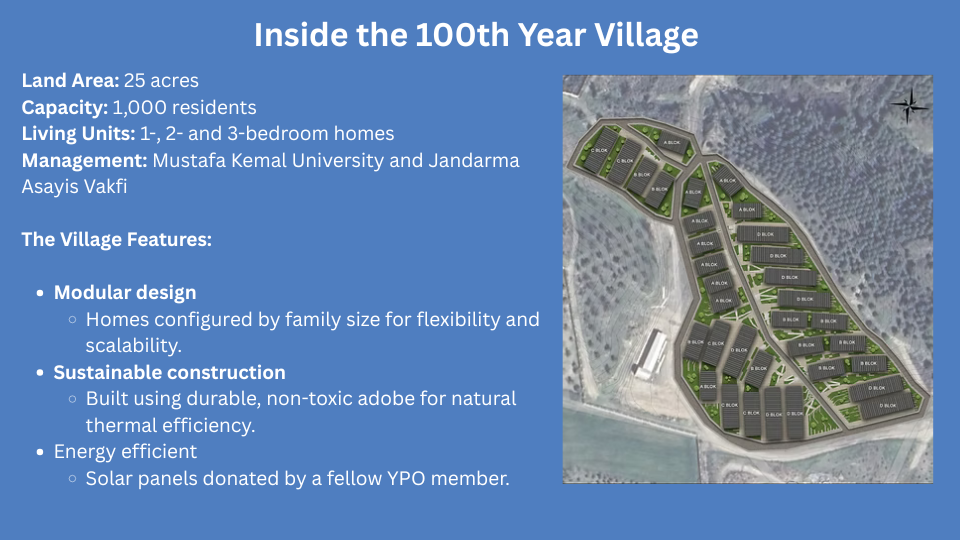
The project gained momentum when Mustafa Kemal University donated land for the development (valued at approximately USD4.5 million).
We’re all part of one family. We have to take care of each other. – Adnan Akdemir
Transforming Blocks for Hope from concept to construction required extraordinary alignment across sectors.
“This is the only project where the government, the military, NGOs, volunteers and business leaders were all sitting around the same table,” Gureli says.
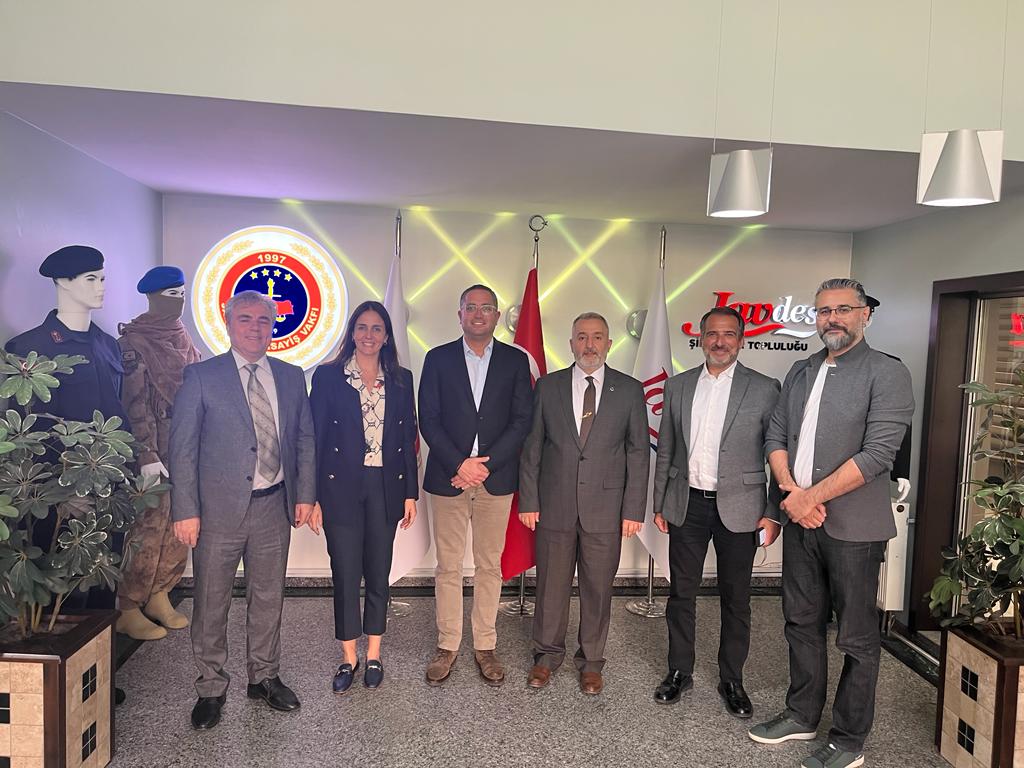
This convergence became a defining hallmark of the initiative. Government authorities granted land access. NGOs provided community support. YPO business leaders mobilized capital and their networks.
So many differing stakeholders might have invited potential friction. Instead, the opposite occurred.
“You can’t achieve big dreams alone,” Sohtorik says. “You need partners, and you need to trust their judgment, even when it doesn’t always align with yours.”
The board members all brought different expertise and perspectives, and while Sohtorik admits there were disagreements along the way, they trusted each other.
“Leadership is not about directing people,” he says. “It’s about creating and maintaining the conditions for cooperation — and not giving up, no matter the difficulties.”
As partnerships solidified, the project scaled through phases that reflected an expansion of trust, proving that credibility compounds.
In the first phase, USD1 million was raised by YPO members, their companies and their immediate networks of family, friends and professional connections.
The second phase drew support from YPO member Mert Tümen’s family foundation.
By the third phase, the initiative had earned global corporate backing, with Peninsula Hotels, whose chairman is a YPO member, stepping up.
The experience demanded unusual persistence. Akdemir says it shaped his understanding of leadership itself.
“As CEOs, we’re trained to create value,” he says. “But when you build something for others, the learning is different — operational, emotional, even personal. It’s one of the most fulfilling experiences a leader can have, and I believe it should be part of every CEO’s education.”
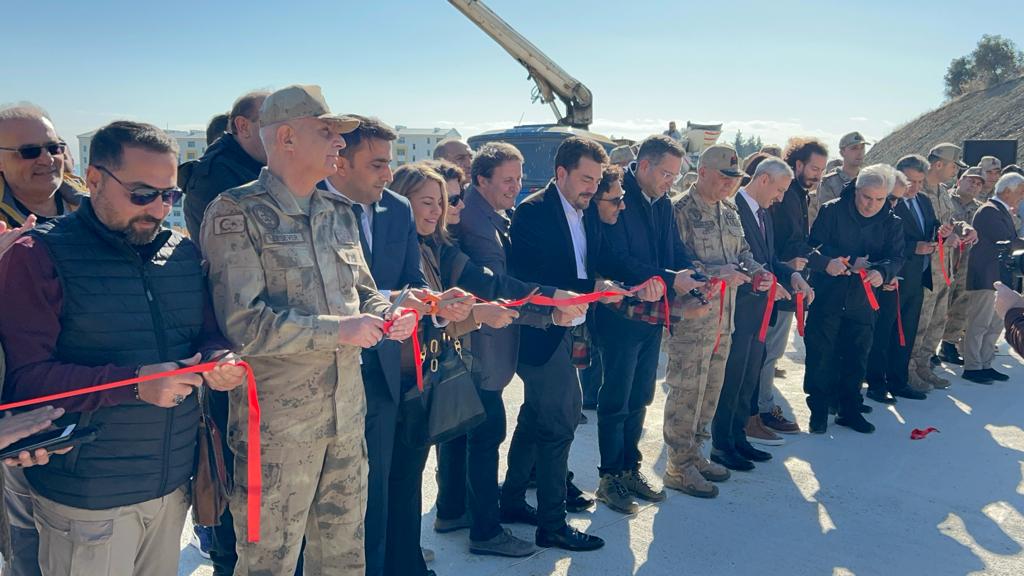
The village, completed in October 2025, is home to more than 1,000 earthquake survivors who enjoy access to schools, sports facilities, a place of worship, a business center and a library. Residents may live in these homes for four years, rent-free, before the units are repurposed as university dorms.
This isn’t a housing story; it’s a human story. – Emir Sohtorik
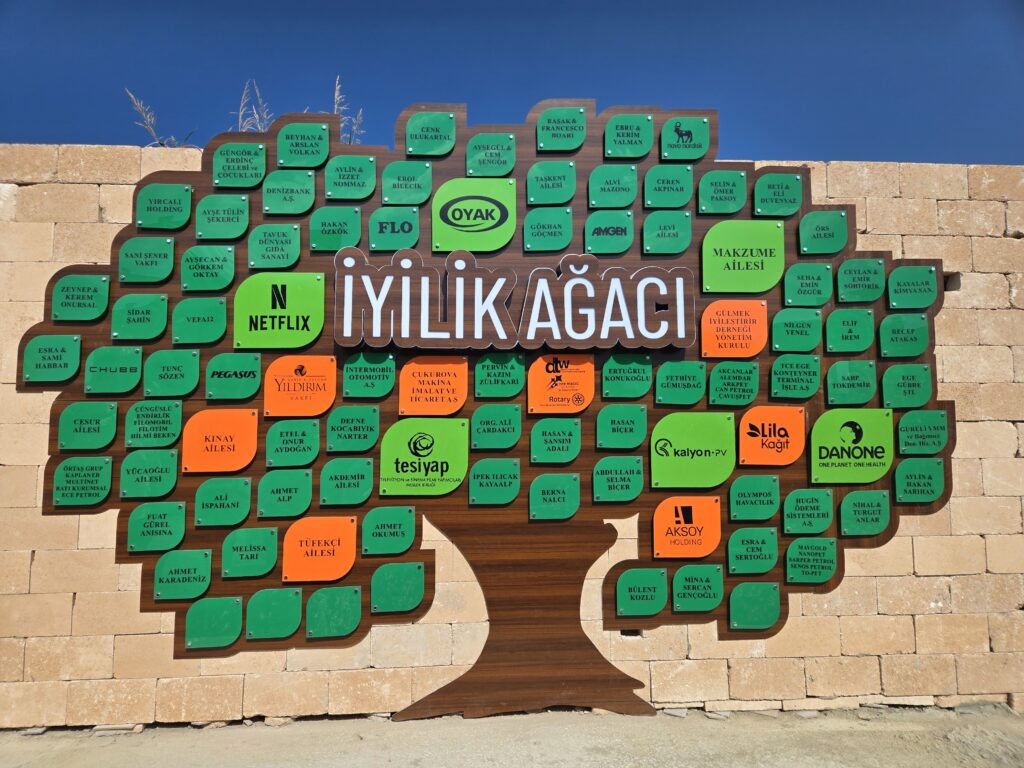
At the entrance of the village stands The Support Tree. Its metal leaves bear the names of donors who believed in something that didn’t exist yet. Hope translated into action.
Perhaps the most enduring contribution of Blocks for Hope extends beyond the village itself: Gürbüz made the architectural plans publicly available, offering not just inspiration, but infrastructure, to future communities impacted by disasters. Hope designed to last.
That legacy aligns with the land itself — a placed shaped by disruption and rebuilding, of convergence and connection. “Our story is not only a housing story,” Sohtorik says. “It’s a human story. It shows what communities are capable of when we move together.”
Adds Güreli, “It’s a miracle to find many different soul mates at the same time under one project. We’ve shown people that in desperate times, we can come together. Rather than ‘you and me’, I think it’s all about ‘we’.”
Blocks for Hope Executive Committee